
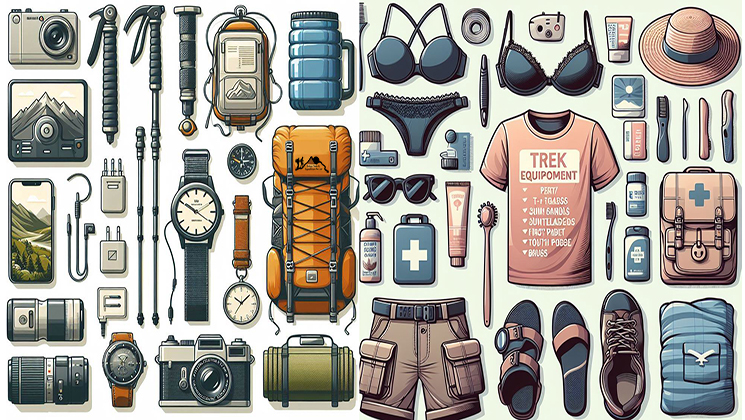
Trekking equipment information.
Essential trekking equipment includes the gear and clothing you use to stay safe, warm, and comfortable while trekking in the Nepal Himalayas. In the high mountains, where weather shifts quickly, you wear layered clothing and carry reliable gear to adapt to changing conditions. With the right equipment, you hike more confidently, stay protected, and enjoy the breathtaking Himalayan scenery to the fullest.
Get ready for your mountain trek with our essential equipment checklist. It helps you pack smart for any of our trips. Keep your load light to follow luggage limits. Your gear should match the trek’s location, season, altitude, and length.
Gears for a lower and Moderate altitude [below 4000 m] trekking in Nepal.

Drinking Water
A bottle of water is essential for staying hydrated. In warm conditions, drink one liter per hour, while in cooler weather, two cups per hour may suffice. At high altitudes or in extreme heat, intake doubles to one liter every hour.
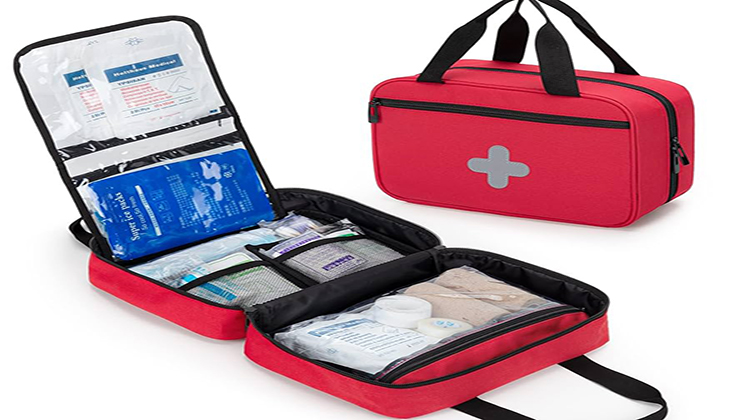
First Aid Medical Kit
A Dettol (Savlon), crepe bandage, cotton, antiseptic creme, a course for each including pain killer, headache, vomiting, anti-inflammatory, and stomach upset, Volini spray. Together all these weigh again a maximum of 500 grams.
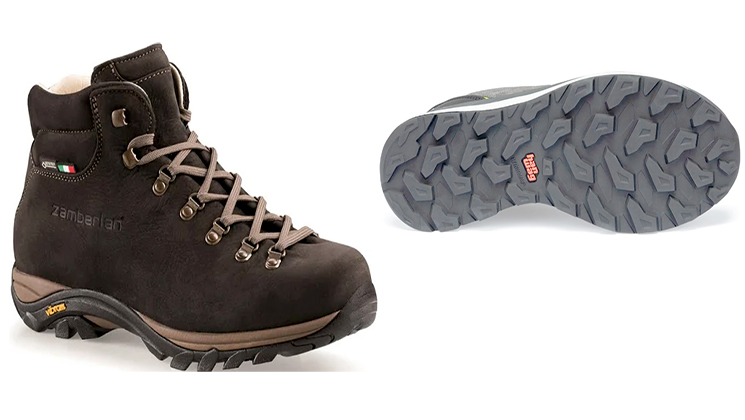
Shoes for Trekking or Hiking
Sturdy, well-insulated hiking boots are a must for trekking in the Himalayas. Pick waterproof boots with ankle support and strong grip for rocky or icy trails. Trusted brands offer better comfort and durability, but they’re not mandatory. If you go for budget options, break them in early to avoid blisters. For high-altitude or winter treks, insulated boots with strong traction are best for snow and extreme cold.
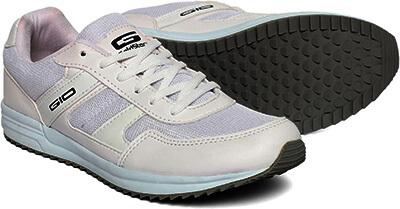
Camp Shoes
A lightweight pair of comfortable shoes or sandals is useful for wearing around the teahouse or camp after a long day of trekking. They allow your feet to rest while giving you an alternative to your trekking boots.
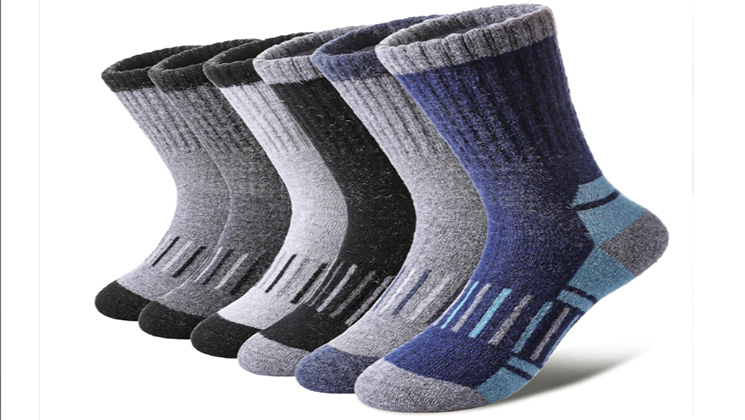
Hiking Socks for Trek
For high altitude trekking in Nepal, choose quality hiking socks made from merino wool or a moisture wicking blend, as they help regulate temperature, keep your feet dry, and provide warmth in cold mountain conditions. Good hiking socks also offer cushioning, breathability, and a comfortable fit, reducing friction, blisters, and foot fatigue during long days on rugged trails. The right pair can make a remarkable difference to your overall trekking comfort, helping you stay warm, dry, and confident from the lower valleys to high Himalayan passes.
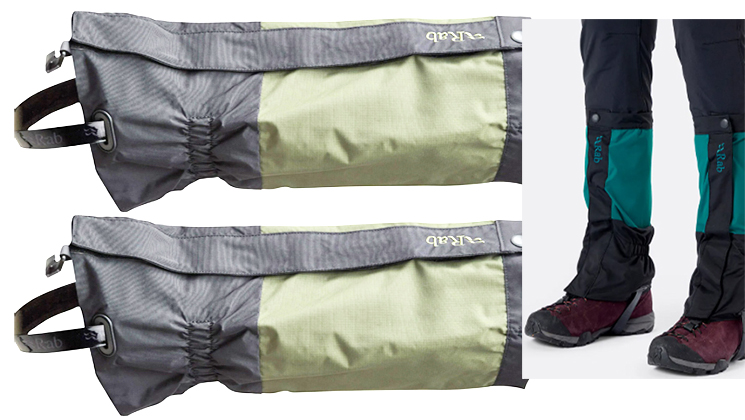
Gaiters
Gaiters are essential for keeping your feet warm and dry on wet or snowy trails. Alpine style gaiters secure to bootlaces and stay in place with a strap under the instep, making them ideal for most trekking conditions. They are highly useful and widely available in Kathmandu’s gear shops.
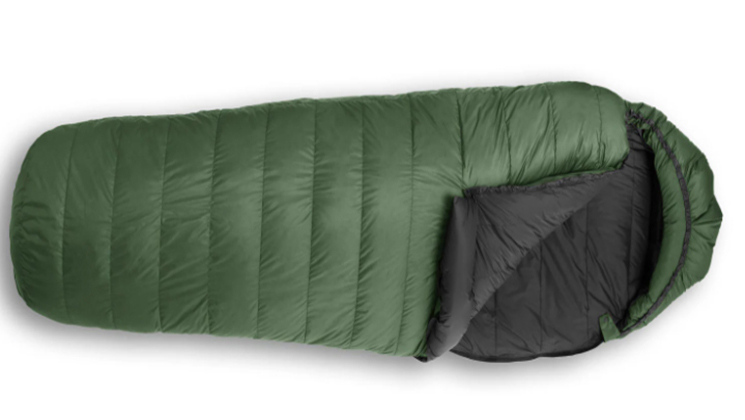
Sleeping Bags
A warm sleeping bag rated between -10°C to 0°C is essential for trekking in the Himalayas, ensuring comfort during cold mountain nights. Super dawn filled sleeping bags provide superior insulation, while synthetic options are more budget-friendly; adding a liner or extra layer can enhance warmth in extreme conditions.
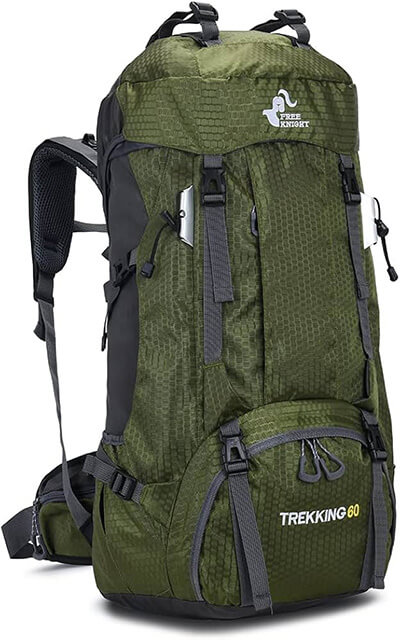
Luggage on Trekking
A rucksack is an essential for trekking, as porters carry the main packs. Even if you bring a suitcase for Nepal, Bhutan, or Tibet, a proper backpack (Rucksack) is necessary for the trek. Keep your packed bag under 12 kg (26.5 lbs) to ensure safe porter loads. Avoid unnecessary items or gear easily available on the trail. Leave home keys, heavy clothes, jewelry, and single use gear at your hotel or with the Gokyo Treks agency. You can collect them upon returning to Kathmandu.
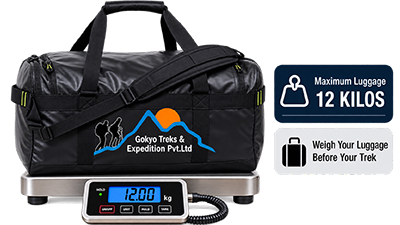
Check the luggage Policy
When hiking in the Himalayas, it’s important to be aware of baggage allowances. Many airlines charge extra for overweight bags. For flights from Kathmandu to Pokhara, you’re allowed 25 kg (55 lbs), while flights to Jomsom, Lukla, Rara, Tumlingtar, Sukilumba, and Dolpa permit 15 kg (33 lbs). If using porters, each can carry a maximum of 24 kg (52.8 lbs). If your backpack exceeds 12 kg (26.4 lbs), an additional fee of US$1 will apply, paid directly to your porter.
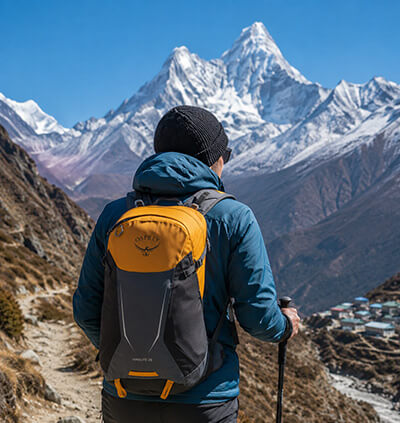
Hand carry policy
For added security, keep valuables such as your passport, wallet, and expensive jewelry in a lightweight daypack. When traveling in Nepal, consider leaving your important items, like your ID and keys, at the Gokyo Treks agency office. During your trek, carry a small daypack to hold an essentials like a water bottle, first aid kit, camera batteries, and other personal items.
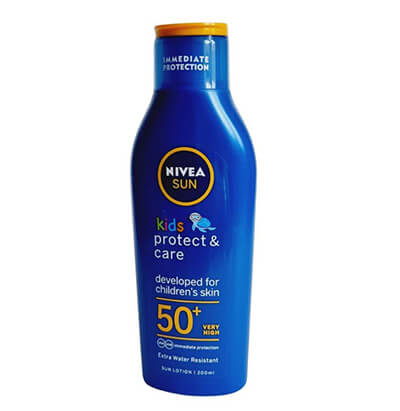
Sun Lotion Cream
A good-quality, high-SPF sunscreen is essential when trekking in the Himalayas, where exposure to ultraviolet (UV) rays increases significantly with altitude. Therefore, apply sunscreen regularly to your face, neck, ears, hands, and other exposed areas, even on cloudy days. In addition, reapply it throughout the day, particularly after sweating or prolonged exposure to the sun.
Personal Towel
A lightweight, quick drying personal towel is highly recommended for use throughout the trek. Ideally, choose a compact microfiber towel because it absorbs moisture well, dries quickly, and takes up very little space in your backpack or duffle bag. Moreover, its lightweight design makes it particularly convenient for long-distance trekking.
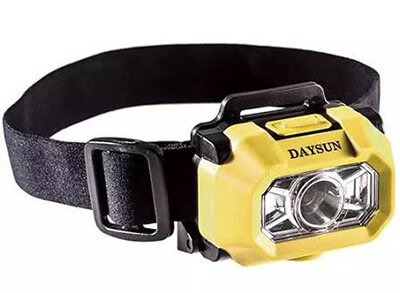
Flashlight
A reliable headlamp or flashlight is essential, especially for early-morning departures, evening walks, and moving around teahouses or camps after dark. A headlamp is generally the better choice because it keeps both hands free while walking or handling your belongings. Additionally, choose a durable, lightweight model with good battery life for use in remote mountain areas.
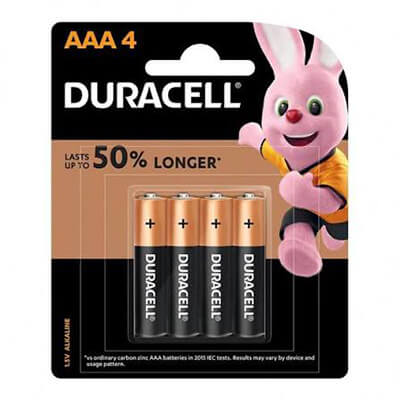
Batteries and Bulbs
Carry sufficient spare batteries for your flashlight, headlamp, camera, and other essential electronic devices. Since replacement batteries may not be readily available on remote trekking routes, it is important to bring enough supplies from Kathmandu. Furthermore, keeping spare batteries safely protected from moisture will help ensure they remain reliable throughout the journey.
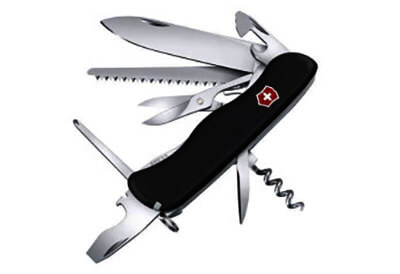
Swiss Army Knife
A compact Swiss Army knife or similar multi-purpose tool can be useful for minor repairs and various practical needs during the trek. It may come in handy for cutting materials, making small adjustments, or dealing with unexpected equipment issues. However, keep it securely packed and use it responsibly throughout your journey.
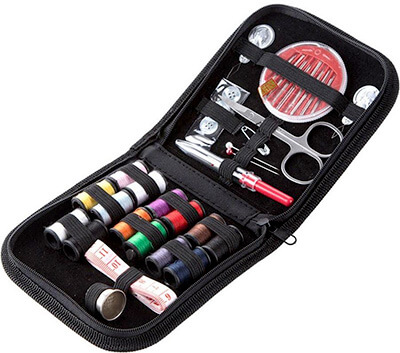
Sewing Kit
A small sewing kit is useful for repairing minor damage to clothing, backpacks, or other trekking equipment. It should ideally include needles, strong thread, buttons, safety pins, and a few basic repair items. Furthermore, keeping these essentials in a small waterproof pouch will make them easy to find when needed.
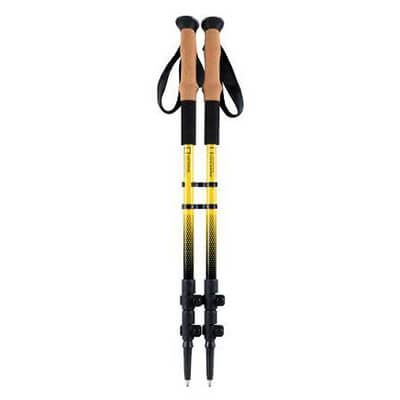
Other Required Equipment
Depending on the season, altitude, and trekking route, additional equipment such as trekking poles, water-purification tablets or filters, personal toiletries, and a backpack rain cover may be required. These items can provide extra comfort, safety, and protection against changing Himalayan weather conditions. Therefore, we can provide a detailed and route-specific packing checklist to help you prepare properly for your particular trek.
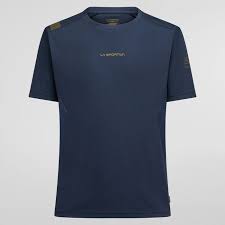
T-Shirts
Pack several lightweight and quick-drying T-shirts for comfortable trekking, particularly during warmer conditions and lower-altitude sections. Moisture-wicking fabrics are preferable because they help move sweat away from the skin and dry quickly. In addition, carrying a few extra T-shirts will allow you to change into fresh clothing after long days of walking.
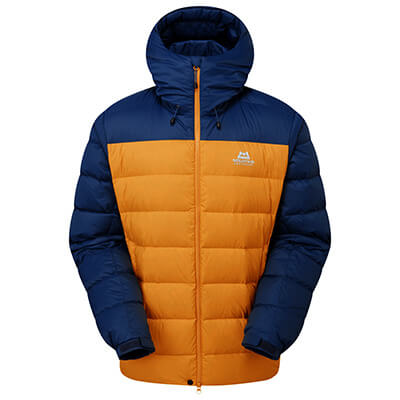
Down Jacket
A good-quality down jacket is essential for high-altitude trekking, particularly during cold mornings, evenings, and overnight stays. Choose a lightweight yet adequately insulated jacket that provides excellent warmth without adding unnecessary weight to your luggage. Furthermore, a compressible down jacket is convenient because it can be packed into a small space when not required.
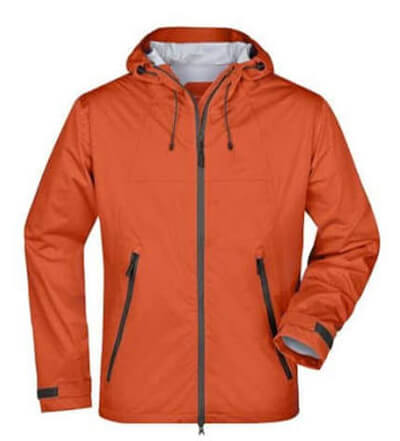
Waterproof Jacket
A lightweight, waterproof, and windproof jacket provides essential protection against rain, snow, and strong mountain winds. It is especially important during the monsoon and shoulder seasons, although we recommend carrying one regardless of the season because Himalayan weather can change quickly. Moreover, choose a breathable jacket that allows comfortable movement during long days on the trail.
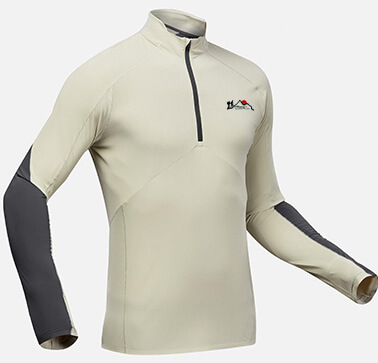
Hiking Shirts
Long sleeve hiking shirts are excellent for protecting your skin from strong sunlight, wind, dust, and changing temperatures. Ideally, choose lightweight, breathable, and quick dry fabrics that provide comfort during long hours of trekking. In addition, long sleeves can be rolled up when conditions are warmer and used as an extra protective layer at higher elevations.
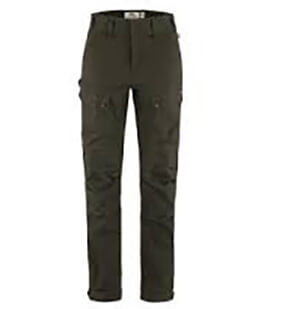
Hiking Pants
Comfortable, lightweight, and quick dry hiking pants are recommended for daily trekking across varied Himalayan terrain. For greater flexibility, consider carrying lightweight pants for warmer conditions along with warmer or thermal layers for higher elevations. Additionally, pants with multiple secure pockets can be convenient for carrying small personal essentials.
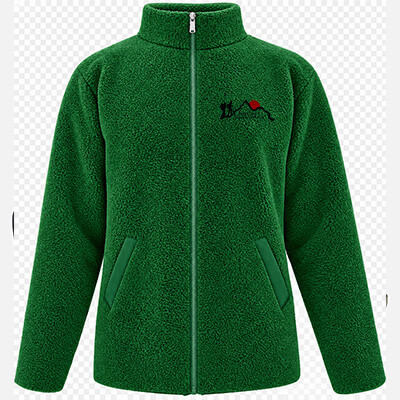
Jumper / Fleece Jacket
A warm jumper or fleece jacket provides an excellent insulating layer when temperatures begin to drop. Fleece is lightweight, breathable, fast dry, and easy to layer, making it particularly suitable for Himalayan trekking. Furthermore, it can be worn comfortably over a hiking shirt and underneath a down or waterproof jacket when conditions become colder.
Full-Sleeves Shirt
A lightweight, full-sleeved shirt provides useful protection from strong sunlight, wind, dust, and cooler mountain temperatures. Breathable and quick drying materials are ideal because they help maintain comfort during long hours of walking. Moreover, it can be easily layered with a fleece or down jacket as you gain altitude and temperatures decrease.
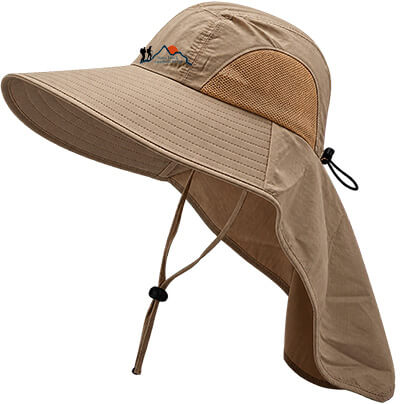
Sun Hat
A comfortable sun hat is essential for protecting your face, head, ears, and neck from intense Himalayan sunlight. Choose a lightweight and breathable hat with a wide brim to provide better protection during long days on the trail. Additionally, a secure-fitting hat will remain comfortable and in place even during windy conditions at higher elevations.
For Higher Altitude Trekking (Above 4000m)
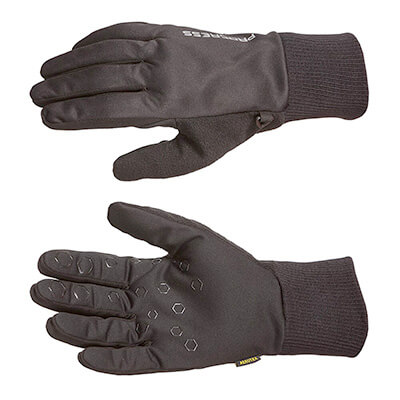
Gloves
A good pair of warm, insulated gloves is essential for protecting your hands from cold temperatures and strong mountain winds. For high-altitude trekking, consider gloves that are waterproof, windproof, and breathable while still allowing comfortable movement. It is also useful to carry a lightweight inner pair for additional warmth and flexibility.
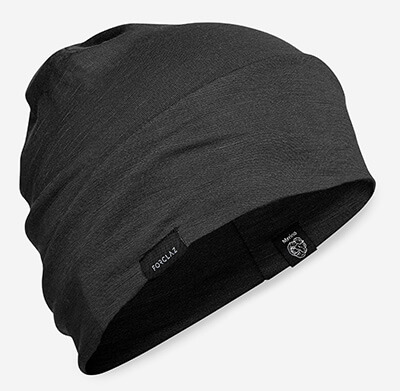
Woolen Hat
A warm woolen hat helps retain body heat and protects your head and ears from cold temperatures, particularly at higher elevations. Choose a comfortable, lightweight hat that covers your ears and fits securely without being too tight. Furthermore, a good-quality wool or thermal hat is especially useful during early-morning starts and cold evenings.
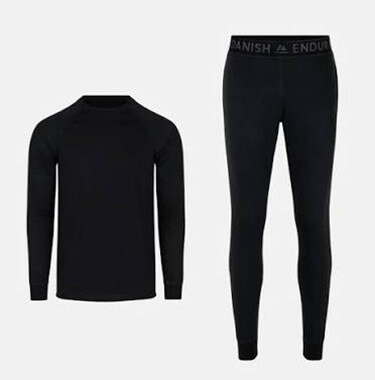
Long Underwear
Long thermal underwear provides an important base layer by helping retain body heat while keeping you comfortable in cold Himalayan conditions. Choose lightweight, moisture-wicking materials that dry quickly and can be worn comfortably beneath your trekking clothes. Additionally, thermal layers are particularly valuable when trekking at higher elevations or during the colder seasons.
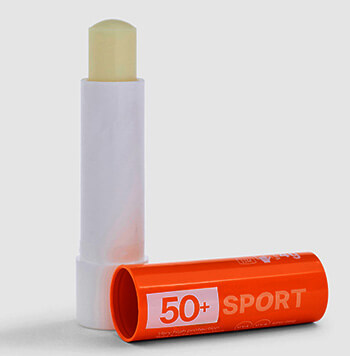
Sun Block for Lips
A moisturizing lip balm with a high SPF is highly recommended because cold, dry air and strong ultraviolet rays can quickly cause chapped or sunburned lips. Apply it regularly throughout the day, especially at higher elevations where UV exposure is stronger. Moreover, choose a lip balm specifically designed to provide both sun protection and long-lasting moisture.
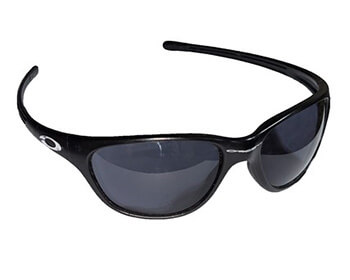
Goggles or Sunglasses
Good-quality UV-protection sunglasses are essential for protecting your eyes from intense Himalayan sunlight, particularly at higher elevations. When trekking through snowy areas, glacier zones, or exposed mountain terrain, consider glasses with strong UV protection and suitable side coverage. In addition, glacier or mountaineering goggles can provide extra protection against snow glare and strong winds.
Mountain Trekking Boots
Reliable mountain trekking boots are one of the most important pieces of equipment for a safe and comfortable Himalayan trek. Choose well-fitted, durable boots with good ankle support, a strong grip, and waterproof protection suitable for the terrain and altitude of your chosen route. Most importantly, break them in before the trek to avoid blisters and discomfort during long days on the trail.
Light Cotton Socks
Lightweight cotton socks are suitable for warmer conditions and lower-altitude sections of the trek. They can also be useful as an additional layer underneath warmer woolen socks when temperatures become colder. However, choose comfortable, breathable socks and carry several pairs so that you always have a clean and dry pair available.
Nylon Windbreaker
A lightweight nylon windbreaker provides useful protection against strong mountain winds, light rain, and changing weather conditions. It can be worn over your hiking layers without adding significant weight or taking up much space in your backpack. Furthermore, a breathable and packable windbreaker is particularly convenient for long days on exposed trails.
Nylon Wind Pants
Nylon wind pants help protect your legs from cold winds, light rain, and changing weather while trekking in exposed mountain areas. Their lightweight and rapid drying properties make them practical for layering over regular trekking or thermal pants. Additionally, choose a comfortable, flexible design that allows unrestricted movement on steep and uneven trails.
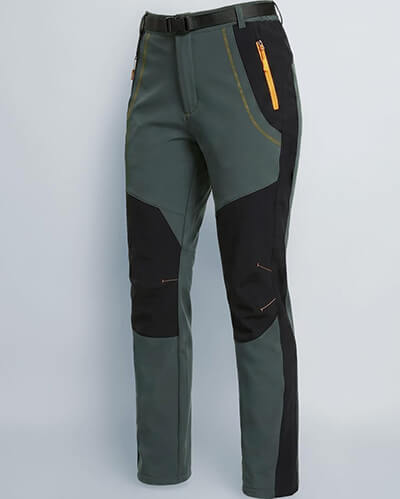
Insulated Pants
Insulated pants provide additional warmth and protection during cold mornings, evenings, and high-altitude sections of the trek. They are especially useful for camping, resting at higher elevations, or trekking in colder seasons when temperatures can fall significantly. For convenience, choose lightweight and packable insulated pants that can be easily carried when they are not required.
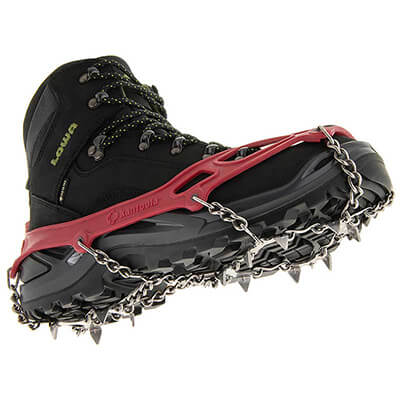
Spikes or Microspikes
Micro spikes are lightweight traction devices that attach securely to your trekking boots, with small metal spikes that grip snow and ice. They provide better traction and stability on icy, snowy, or slippery sections of high pass routes in the Nepal Himalayas, helping reduce the risk of slipping on steep terrain.
For treks such as Everest Three Passes, Renjo La, Cho La, Larkya La, and Thorong La, carrying micro spikes can greatly improve confidence and safety when winter conditions or fresh snowfall make the trail slippery.
Peak Climbing and Expedition Equipment checklist key things | |
|
|